Newsletter Subscribe
Enter your email address below and subscribe to our newsletter

 ByJohn A
Real-world asset tokenization converts tangible or intangible items into digital tokens on a blockchain, enabling fractional ownership and programmable features. The approach depends on asset type, legal framework, and governance structure. Processes include due diligence, custodial arrangements, and compliance checks, aiming for enhanced liquidity and broader access while balancing operational risk and regulatory uncertainty. The discussion raises critical questions about data quality, valuation, and custody models, inviting further exploration of models, safeguards, and practical constraints.
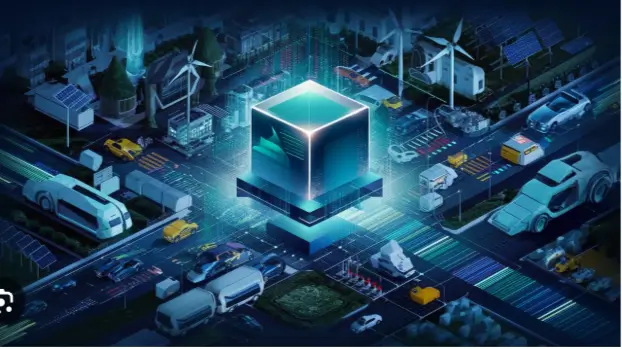
Real-world asset tokenization is the process of representing a tangible or non-tangible asset—such as real estate, equipment, or commodities—as a digital token on a blockchain or distributed ledger, enabling fractional ownership, programmable features, and enhanced transferability.
It offers a practical overview and Plain English explanations, highlighting data-driven benefits, risk-aware considerations, and value-oriented clarity for those pursuing financial freedom through transparent, accessible markets.
Asset tokenization unfolds through a structured sequence: identify a suitable asset, determine its legal and financial framework, choose a tokenization model (equity, debt, or hybrid), and establish a governance and compliance backbone.
The tokenization workflow emphasizes precise due diligence, scalable infrastructure, and robust custodial arrangements, while addressing regulatory considerations to balance liquidity, transparency, and investor autonomy in a risk-aware, value-driven framework.
See also: How Privacy-Focused Cryptocurrencies Work
Does tokenization deliver measurable benefits while introducing notable trade-offs for investors and issuers? It yields enhanced transparency, fractional ownership, and potential liquidity, yet presents compliance challenges and custodial risk. Data suggests improved market access but uneven liquidity across assets. Regulators seek clear frameworks; issuers face cost and operational hurdles. For freedom-aware participants, value lies in measured adoption, robust risk controls, and scalable governance.
Potential use cases for tokenized real-world assets span payment streams, commercial real estate, equipment leases, and commodity finance, with investment decisions guided by exposure to cash-flow predictability, diversification potential, and liquidity horizons.
The discussion frames next steps around prudent selection of investment vehicles, assessment of regulatory challenges, risk-adjusted returns, and transparent, data-driven due diligence for freedom-minded investors seeking scalable, compliant exposure.
Tokenization translates tangible assets into tradable digital tokens, unlocking liquidity and broader access while preserving control through defined governance and compliance. The data-driven process emphasizes due diligence, scalable infrastructure, and transparent valuation to minimize information asymmetry. Risks—regulatory, operational, and custodial—must be managed with rigorous framework and oversight. When executed with discipline, tokenized assets offer measurable value creation. Like a compass in a crowded market, robust governance guides investors toward clearer pricing, sharper risk signals, and prudent exposure.